



Fabric Lamination Guide: How to Laminate Fabric for Durable, Waterproof Textiles
Anyone who has tried to sew a waterproof pouch or develop a durable outerwear shell knows that lamination changes how a fabric behaves. The process is not about heating vinyl and hoping for the best; it starts with knowing which film, adhesive, and knit structure work together. In this guide, we walk through fabric lamination from a manufacturing perspective, with practical checks that help you avoid delamination, wrinkles, and poor drape.
What Is Fabric Lamination and Why Does It Matter?
Fabric lamination bonds a continuous film to one or both sides of a textile. The result is a composite material that combines the hand feel of the base knit with the barrier function of the film. This is why laminated knits are common in outerwear, protective apparel, medical textiles, and everyday items such as rain ponchos and wipe-clean table covers.
The immediate benefits include water resistance, oil and soil resistance, windproofing, and a smoother surface that is easier to clean. For many buyers, the deciding factor is not just whether the fabric repels water, but how long it keeps that property after repeated washing. Our technical comparison of film-coated fabrics explains why some constructions outperform standard textiles under water and oil exposure.
| Process | How It Works | Best Suited For | Durability | Breathability |
|---|---|---|---|---|
| Water-based adhesive | Adhesive is applied as a liquid, then dried. | Natural fibers and lightweight knits | Medium | Moderate |
| Hot-melt adhesive | Thermoplastic glue bonds the film under heat. | Synthetic blends and technical fabrics | High | Low to moderate |
| Dry web adhesive | A dry, non-woven adhesive web fuses the layers. | Multilayer structures needing loft | High | Good |
| Film lamination (PVC/TPU) | A pre-made film is bonded to the fabric under pressure. | Waterproof apparel and protective gear | Very high | Low |
For apparel that needs both a soft hand and a protective barrier, a fabric such as our waterproof oilproof antisoil terry gives you a balanced starting point: you already have the terry structure with the protective finish in place.
Key Factors to Consider Before Laminating Fabric
Before you laminate fabric, the most important task is to match the substrate, film, and adhesive to the end use. A polyester single jersey may accept a high-temperature hot-melt process, while a cotton-blend terry may shrink and deform under the same conditions.
Substrate stability
Knit fabrics with high elastic recovery, such as single jerseys and interlocks, hold their shape well. Loose structures like fleece need a lower heat and pressure to prevent fiber flattening. For projects where you want a clean, smooth surface without adding a separate lamination step, a pre-coated option such as our filmcoated single jersey is already optimized to take a film layer.
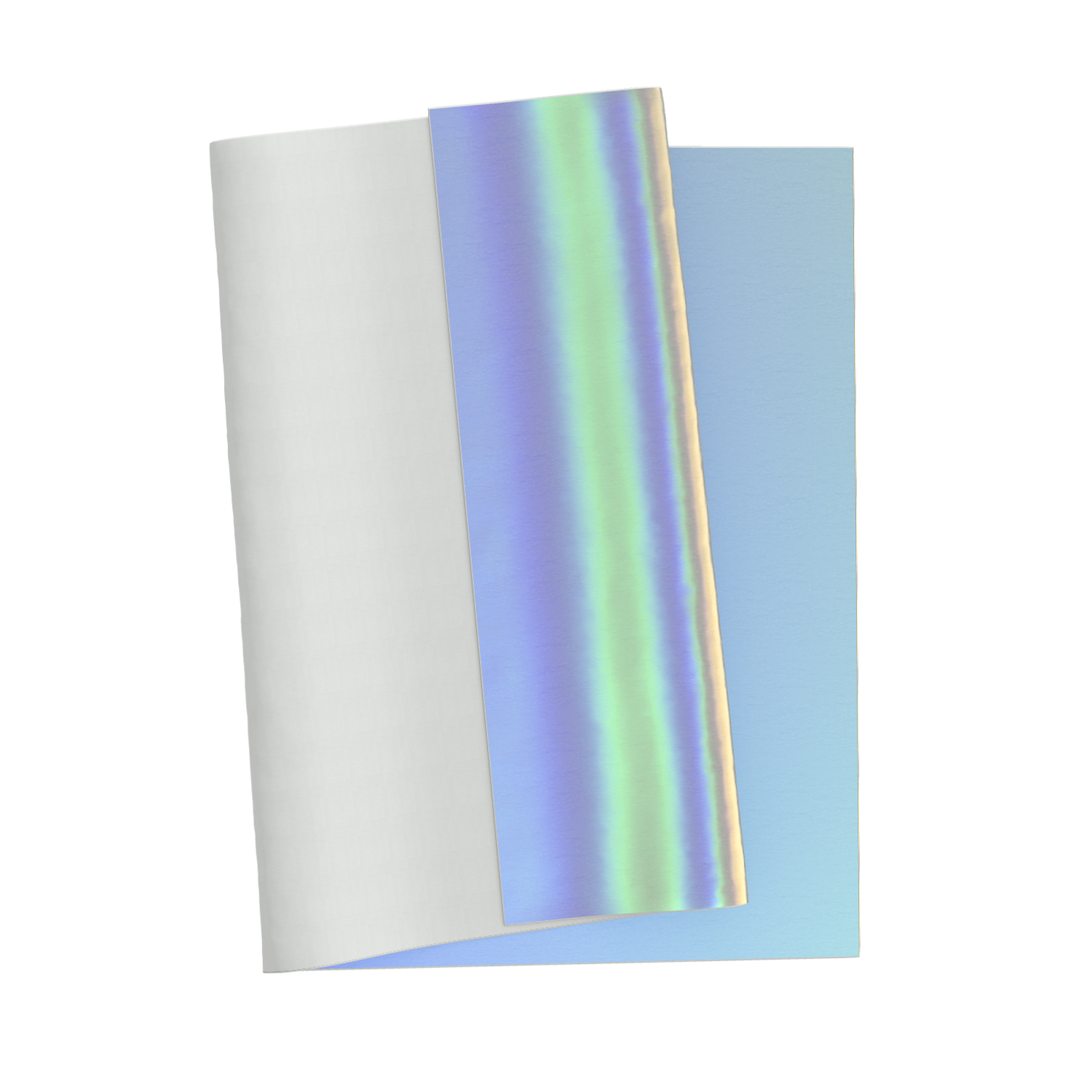
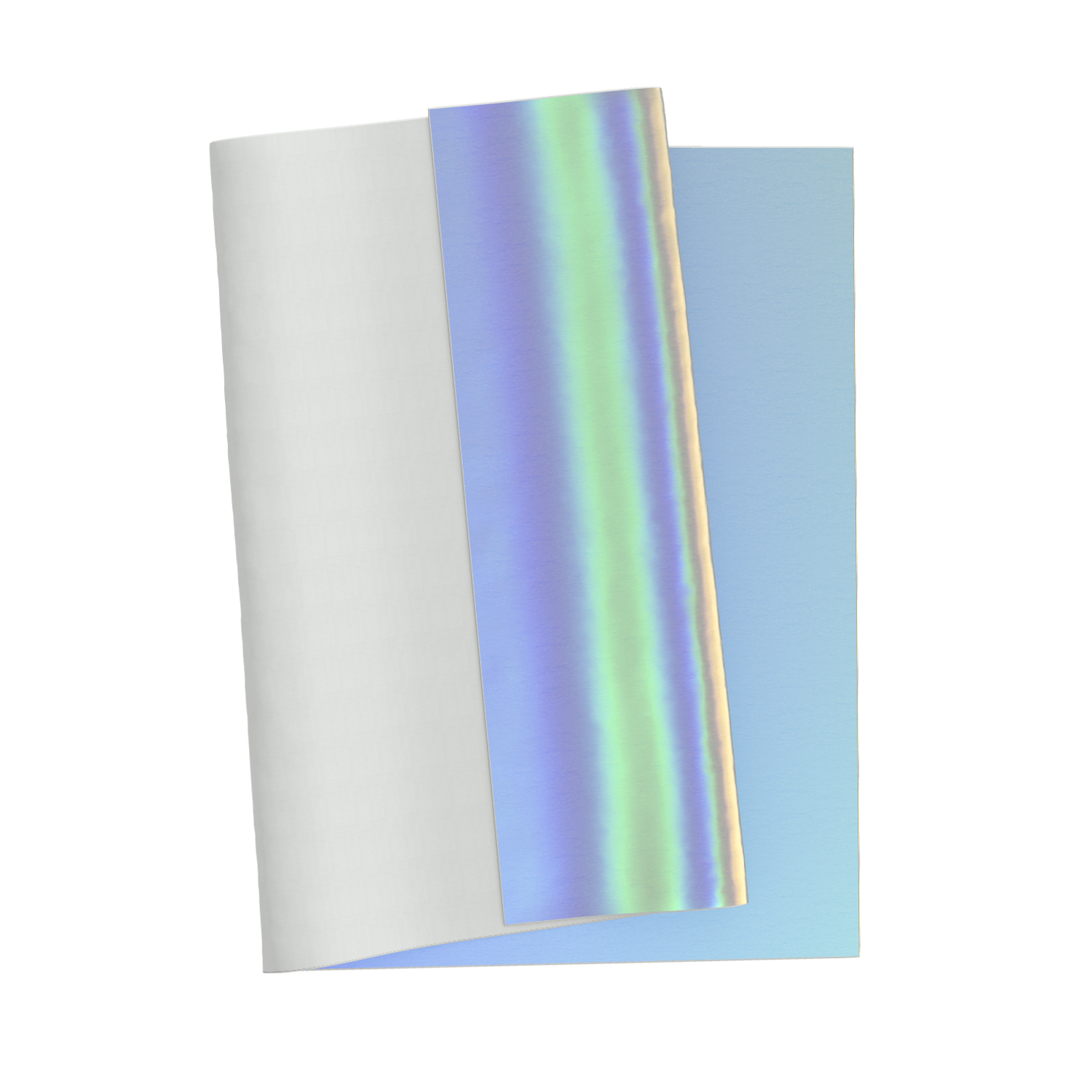 Iridescent Film-Coated Cotton Polyester Single Jersey Fabric This tight, low-stretch single jersey features a pre-applied iridescent film for a rainbow sheen and water repellency, suitable for visible applications where a smooth surface and added protection are desired without extra lamination steps. View Product →
 Adhesive weight and tolerance
The glue or film adds to the total weight of the fabric, so check the final GSM status in the specification. A typical laminated knit can add 20 to 60 gsm depending on the film thickness. Use a drying and curing curve that matches the adhesive manufacturer's data sheet.
Minimum peel strength often required for apparel lamination
Typical hydrostatic head target for water-resistant outerwear
Recommended wash temperature for most bonded knits
Wash tests before production
Always simulate at least 10 wash cycles in a pilot run. If the film starts to peel at edges, the adhesive chemistry or processing temperature is wrong. This is the single largest source of returns in laminated textile products.
How to Laminate Fabric: Step by Step
In an industrial setting, the process follows a predictable sequence. The same logic applies to small-scale work if you adapt the equipment.
- Prepare the substrate. Pre-shrink, dry, and set the fabric width. Remove wrinkles and surface dust. Any contamination becomes a permanent bubble after lamination.
- Select the film and adhesive. Choose a film thickness based on the required water resistance and hand feel. For hot-melt systems, set the calender temperature to the film's melting range.
- Apply the adhesive or film. The fabric and film are fed through a calender or flat press. Keep tension low to avoid stretching the knit.
- Heat and pressure. A typical setting for lightweight knits is 130°C to 160°C with 2 to 4 bar pressure, but this depends on the film. For bulky fabrics, reduce the temperature and increase dwell time.
- Cool and inspect. Let the web cool before winding. Check adhesion at the edges, inspect the surface for pinholes, and verify the hand feel. Roll the fabric with the laminated side outward to prevent film-to-film blocking.
Choosing the Right Fabric for Lamination
The base knit determines how the laminated fabric feels and performs. For a flexible outerwear panel, a single jersey with a tight stitch gives a clean surface and minimal show-through. For a warmer, more breathable garment, a loop or terry structure adds depth without adding too much stiffness.
A pre-coated terry such as our filmcoated terry is often prepared specifically for laminated outerwear and home textile projects. The terry loops help maintain insulation and a soft next-to-skin surface, while the film provides the barrier.
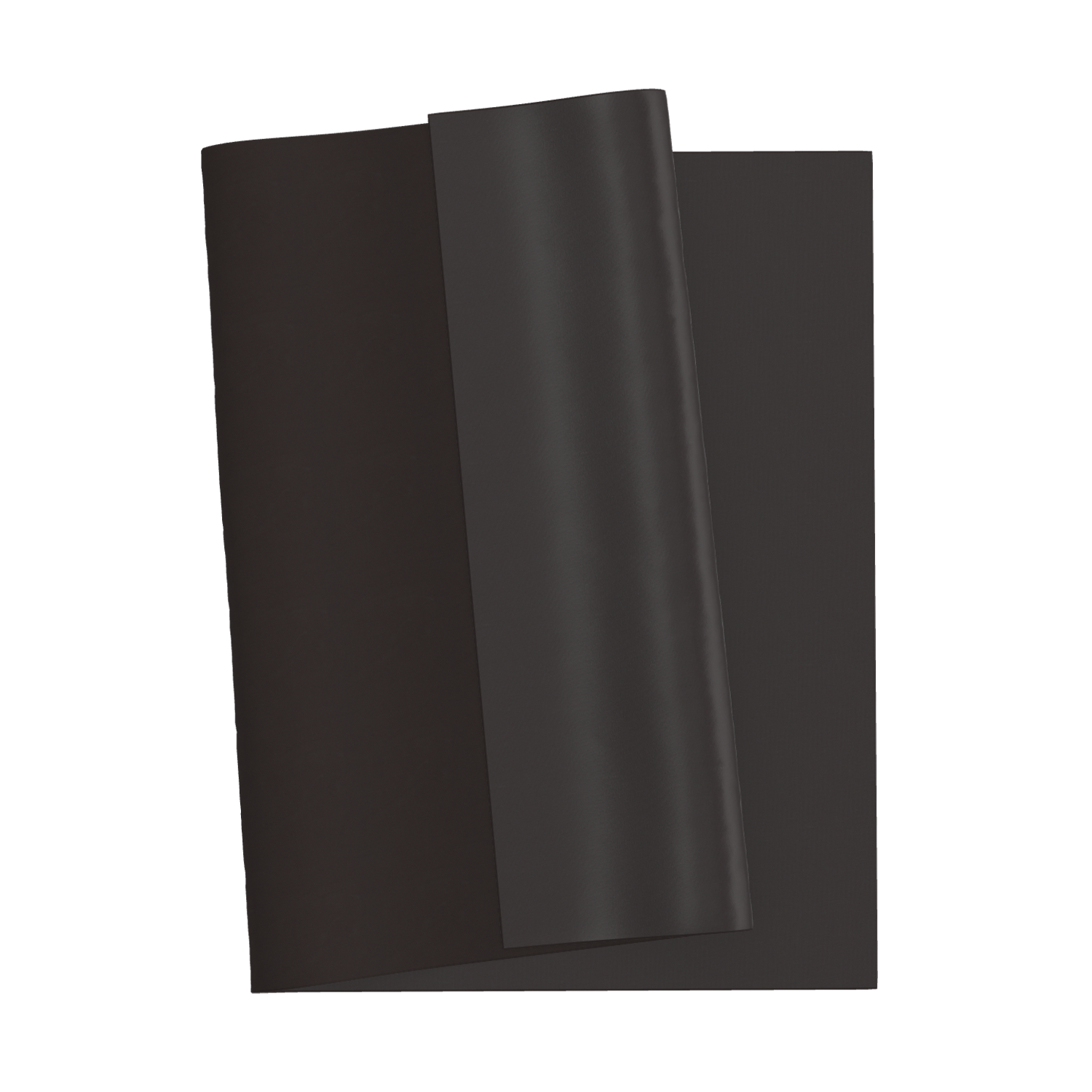 Film-Coated Cotton Polyester Terry Fabric for Laminated Apparel This regular terry fabric is enhanced with a film layer, improving tear resistance and adding water repellency while retaining softness and insulation, making it a practical choice for laminated outerwear and home textiles. View Product →
 Always check the fabric's heat resistance before you set the lamination temperature. Cotton and rayon char above 200°C, while polyester melts more easily. Ask your mill for the exact thermal tolerance in a technical data sheet.
Common Mistakes and How to Avoid Them
Many laminated fabrics fail visually before they fail functionally. These are the pitfalls we see most often in production.
- Skipping pre-shrinking, which leads to paper-like crinkles after the first wash.
- Choosing a film that is too thick, resulting in a stiff board-like handle.
- Using a processing temperature that is too high, causing film yellowing or shrinkage of the base fabric.
- Not allowing the web to cool before rolling, which creates pressure marks and block damage.
- Launching a full order without testing peel strength after at least 10 wash cycles.
If a fabric looks perfect on the first day but starts to bubble after five washes, the problem is usually a missing cure step or an incompatible adhesive, not the fabric itself.
Caring for Laminated Fabrics
Laminated fabrics do not need special maintenance if they are engineered well, but a few habits extend their life.
- Wash at 30°C with a mild detergent and do not use bleach.
- Avoid fabric softener: it can wick through edges and affect the bond over time.
- Do not iron directly on the laminated surface. Use a low-heat iron with a pressing cloth on the reverse side if needed.
- Store rolled in a cool, dry place. Keep the film side outward or use an interleaving paper to prevent sticking.
If you are planning a sustainable product line, also consider how the lamination affects recyclability. Film and adhesive choices vary in their environmental impact, and our article on how sustainable fabrics are reshaping industrial textile supply chains explains the trade-offs in more detail.
Frequently Asked Questions
Q: Can all fabrics be laminated?
Most woven and knitted fabrics can be laminated, but heat-sensitive fibers like nylon and very lightweight knits require careful process control. Stretch structures with high elastane content are the easiest to distort.
Q: Is laminated fabric breathable?
It depends on the film. Microporous films allow vapor to escape while blocking droplets, making them suitable for athletic wear. Solid PVC or TPU films are less breathable and work better for protective garments.
Q: What is the difference between lamination and coating?
Coating applies a liquid layer that penetrates into the fabric surface. Lamination bonds an existing film or a web of adhesive on top. Lamination generally gives a stronger barrier and more controlled thickness.
Q: Can I laminate fabric at home?
Yes. For small projects, iron-on vinyl is a well known method. The fabric must be clean, dry, and free of wrinkles, then the vinyl is pressed with medium heat. However, home-made laminated fabric rarely survives repeated washing or industrial laundering as well as a professionally laminated textile.
SENESTE OPSLAG
Lad os skabe noget fantastisk sammen
kontakt os

Tøv ikke med at kontakte, når du har brug for os!

Træd frem.
Næsten 30 års erfaring i tekstilindustrien er en værdifuld fordel ved Golden Morning. Velkommen til at kommunikere med vores team!
Bliv kunde
 +86-512-52528088
 +86-512-14546515
-

[email protected]
[email protected] -

Virksomhedens adresse:
NO.218 QingDunTang Road changshu CityJiangsu-provinsen(215500), KinaFabriksadresse:
NO.19 Fuchunjiang East Road Southeast Economic Development Zone Changshu Jiangsu, Kina
